The Touring DJ USB Prep System: A 2026 Crate Workflow That Prevents Set Disasters
By Hot Club Tracks - Published on: 2026-03-05
The Problem Is Rarely Talent - It Is Preparation
Most DJ set failures are not caused by bad music taste. They come from preventable prep errors: missing files, inconsistent tags, dead USB drives, incompatible exports, or crates that made sense in a bedroom but collapse in a live booth. In 2026, expectations are higher than ever. Promoters want reliability. Crowds are less patient. One avoidable technical stumble can erase months of momentum. If you are touring even lightly, you need a system, not vibes.
This guide lays out a practical USB and crate workflow built for real-world conditions: changing gear models, variable booth acoustics, and unpredictable set times. You do not need enterprise software. You need discipline around structure, redundancy, and decision speed. The goal is simple: walk into any booth and know your library will behave exactly as expected.
Build Your Library Architecture Once
Start with folder and naming standards that never change. Avoid creative chaos. Use a stable master structure, then keep crates mapped to functional context: openers, ramp, peak, reset, closers, and emergency pivots. Tag by energy level and role, not only genre. Genre alone is too blunt for live control. A high-energy deep cut and a warm-up deep cut do different jobs even if both are technically house records.
Next, enforce metadata quality weekly. Fix inconsistent artist names, remove duplicates, and mark clean/explicit versions clearly. Poor metadata is not annoying; it is dangerous under pressure. When booth lighting is low and transition windows are short, search friction costs you options. If your crate philosophy needs a refresher, revisit foundational strategy concepts from our melodic track organization guide.
The 3-Drive Rule for Touring Stability
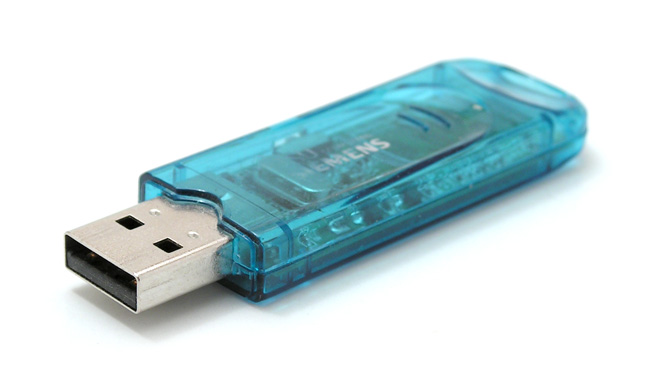
One USB is not a strategy. Use a three-drive rule: primary performance drive, mirrored backup drive, and cold spare with your highest-priority essentials. Keep the cold spare physically separate from your main bag. If one bag is lost or damaged, your set still happens. Format all drives to the standard your target gear supports most reliably, and test export integrity before every travel block.
Also label drives with both your DJ name and contact. It sounds basic, but lost media recovery rates increase when ownership is obvious. For multi-date runs, refresh your mirror nightly after set review. That ensures any useful adjustments, hot cues, or emergency additions are preserved across the whole system. Redundancy is not paranoia; it is professionalism.
Create a 15-Minute Pre-Show Verification Routine
Right before you leave for a show, run the same short checklist every time. Open your performance software, confirm crate visibility, test cue points on at least five representative tracks, and verify that your emergency crate has broad BPM and mood coverage. Then quickly inspect cables, adapters, and power accessories. Keep this checklist written and printed, not only in your head.
The reason this works is cognitive load reduction. Consistent routine prevents last-minute improvisation errors. It also improves confidence, which directly affects set decisions. DJs with stable prep systems take smarter creative risks because fundamentals are locked. That is the same crowd-control logic discussed in our crowd energy playbook: reliability creates room for artistry.
Design Crates for Decision Speed, Not Collection Pride
Many DJs over-curate by taste and under-curate by function. Your crate is not a museum. It is a decision interface. Keep high-frequency crates tight and scenario-specific. If a crate has 300 tracks, it is not a crate, it is a search problem. Build compact tactical crates around common booth situations: low-floor recovery, overhyped peak correction, cross-genre bridge, and closeout cooldown.
Then maintain a separate discovery crate for interesting new material that is not yet field-tested. Never merge untested tracks directly into mission-critical performance folders. Stage them, evaluate them, and promote only what proves useful in rehearsal or lower-risk sets. This single boundary prevents a lot of public mistakes.
Post-Set Debrief: The Missing Habit
After each set, spend ten minutes logging what worked and what failed. Which transitions got the strongest response? Which tracks died faster than expected? Which tempos felt sticky in that room? Capture these notes while memory is fresh, then adjust crates within 24 hours. Small, continuous updates outperform occasional full-library overhauls because they preserve context.
You should also track technical issues separately from musical outcomes. Did a specific drive lag? Did one export template fail on a certain deck model? Treat these as engineering bugs and solve them permanently. Touring success is less about hero moments and more about reducing repeated errors over time.
Professionalism Is the New Differentiator
In a crowded market, promoters notice the DJ who always arrives prepared, adapts smoothly, and leaves no operational surprises. Talent gets you booked once. Reliability gets you booked repeatedly. A disciplined USB and crate workflow is one of the least glamorous parts of your career, but it has one of the highest returns.
Start simple this week: standardize your naming, implement the 3-drive rule, and adopt the pre-show verification routine. Then iterate. By mid-season, your booth decisions will be faster, your stress lower, and your sets more intentional. That is how working DJs build durable careers in 2026: not by hoping gear cooperates, but by building systems that make failure unlikely before the first track even loads.
Related Articles
Other Stories
GIFs of the Week!